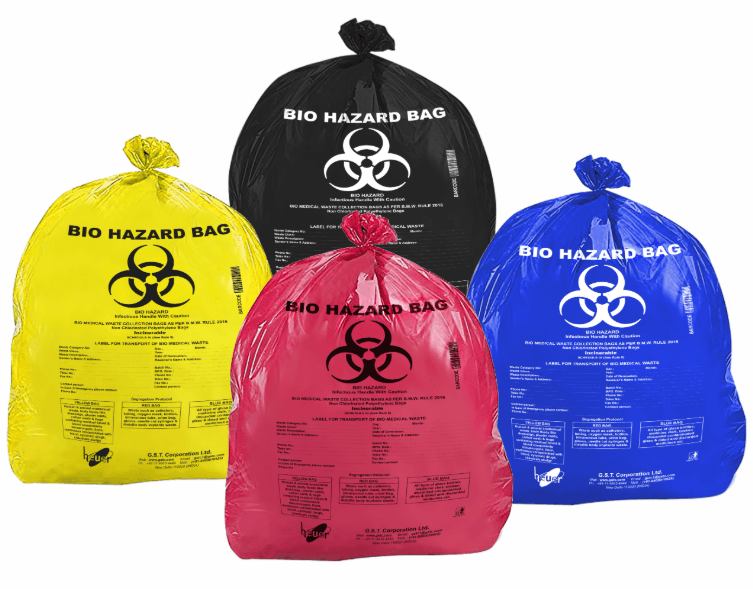
Biohazard disposal bags are often viewed as ordinary waste bags, but their role goes far beyond that. Wherever people work together, waste generation is inevitable, and effective cleaning practices become essential. With cleaning comes waste, making disposal bags a crucial part of hygiene and safety management. However, it is equally important to understand how these bags are manufactured and the environmental impact they may have.
The material used for biohazard disposal bags is specifically selected due to its suitability for hazardous waste handling. It is lightweight, water-neutral, and recyclable, making it environmentally responsible. Polyethylene offers high strength, resistance to harsh chemicals, and durability against varying weather conditions—qualities that are essential for biohazard waste containment.
This disposal material consists solely of carbon and hydrogen atoms. When completely incinerated in certified waste treatment facilities, it breaks down into non-toxic byproducts such as carbon dioxide and water. It is safe for groundwater, highly durable, and reliable for diverse waste disposal applications.
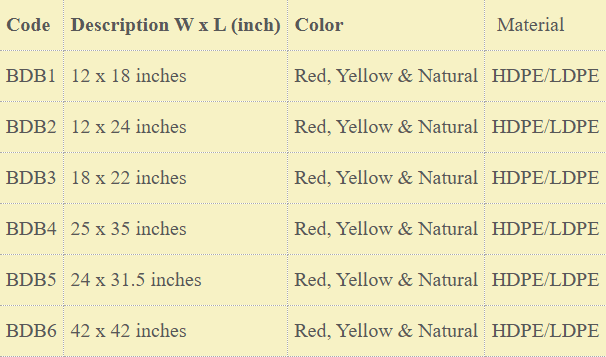
Choosing the Right Biohazard Disposal Bag Size
- Selecting the correct disposal bag simplifies waste segregation and improves workplace hygiene. Although waste bags may appear similar, they vary significantly in purpose and performance. With the right guidance, choosing the correct option becomes straightforward.
Biohazard Disposal Bags – More Than Just Waste Bags
- Biohazard disposal bags are available in different colors, materials, thicknesses, and sizes. The appropriate selection depends on how and where the waste will be used:
- Color-coded bags are ideal for proper waste segregation
- Thin HDPE bags are suitable for lining bins and maintaining cleanliness
- Transparent bags allow visibility of contents when inspection is required
- Thicker LDPE bags are recommended for waste collection and transportation
Tips for Selecting Biohazard Disposal Bags
- The nature of waste—light, moderate, or heavy—plays an important role in determining the correct bag material and thickness. Disposal bags used in laboratories, hospitals, washrooms, pantries, and industrial environments should be sturdy without being unnecessarily thick.
- For hygiene and odor control, non-transparent bags with drawstring closures are often preferred. In office settings, smaller and lighter bags are usually sufficient since waste is frequently transferred into larger containers.
- Biohazard waste bags printed with hazard markings ensure safe handling and disposal of laboratory waste. These bags are designed for multiple autoclaving cycles, offer high tear resistance, and withstand impact during handling. They are manufactured using eco-friendly materials and include a writable surface for labeling. The bags are fully autoclavable and suitable for regulated medical waste.
- By following the above guidelines, selecting the correct biohazard disposal bag becomes simple and efficient. Whether you need small bags for light waste or large-capacity bags for heavy biohazard disposal, there are suitable options available for every application—bins, containers, and large waste systems alike.
- For additional details or assistance regarding biohazard disposal bags, feel free to contact us.
Biohazard Disposal Bags Size Ratio: